
The photographs we treasure often preserve an earlier version of ourselves more faithfully than the places they depict.
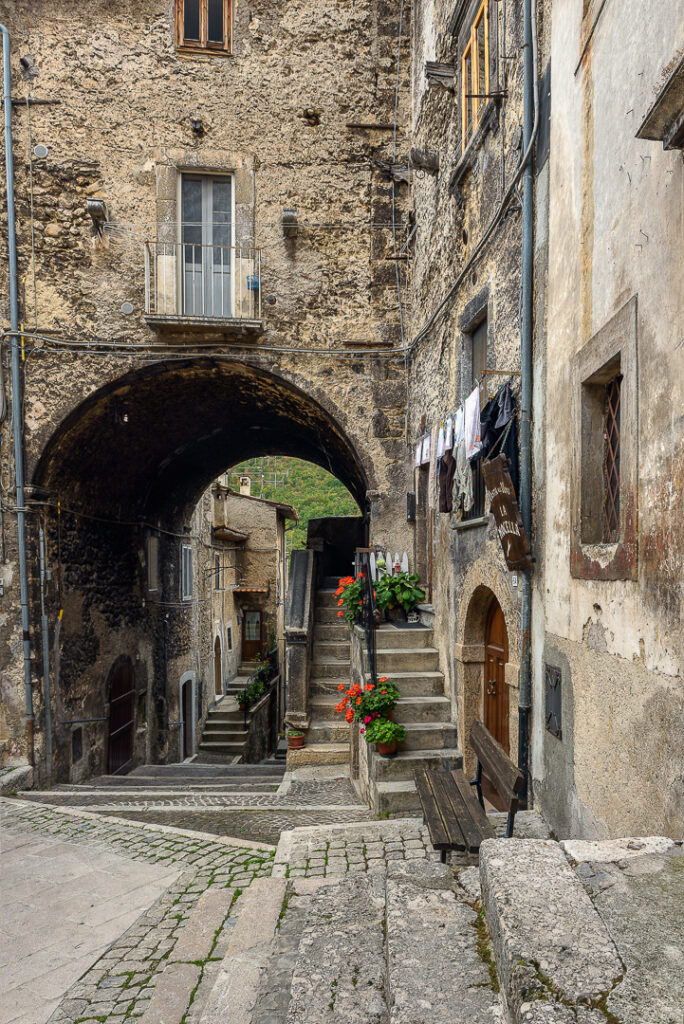
For years, I believed this photograph reminded me of Italy. Now I’m not so sure. I think it reminds me of a man in his sixties who believed there would always be another journey.
The mountains haven’t changed since I stayed there. The village probably hasn’t either. But the person who framed this photograph exists now only in memory.
Perhaps that’s what I’ve really been missing all these years.
Sometimes nostalgia is less about geography than identity.
We Believe Places Hold Our Memories
Every so often, Marie and I say to ourselves, wouldn’t it be nice to go back to Italy again. And it’s not just the overseas trips we think about like that. We say the same about places in Australia as well.
We will say, “We haven’t been to Noosa for a while. Let’s visit there again soon.”
In my twenties, I lived and worked in Melbourne. I went to work each day in Collins Street, one of the main streets in the Central Business District.
I moved from Melbourne and have lived in Brisbane for just over forty years now. Several years ago, we visited Melbourne while on holiday. We walked down Collins Street and stopped in front of the building where I once worked.
The name on the front of the building had changed. The entrance area looked different, but the building itself hadn’t changed. And yet it felt different.
The trams still ran down Swanston Street, and the route numbers still seemed the same. Flinders Street train station looked like it hadn’t changed at all.
Standing there, I realised the building wasn’t what had changed. I had.
I am older and see things now with different eyes.
I think photography is an attempt to preserve not only places but our relationship with them.
Photographs Freeze More Than Landscapes
I used to think that photographs documented my travels and how I looked at various stages of my life.
They were a record of events with family and friends to look back on and cherish.
Photographs celebrating birthdays. Nieces and nephews are being christened. Weddings and funerals.
And a record of the highlights of the places I have been fortunate to visit over my years.
The Statue of Liberty.
The Vatican.
Sydney Harbour Bridge.
At the time, I thought I was photographing destinations.
Looking back, I was unknowingly photographing myself at different stages of life.
Now I have come to realise that every photograph I created is a record of my age at the time. It recorded my hopes and dreams. My confidence and fears. My relationships.
I didn’t realise that at the time I created each of those images.
So, when I revisit old photographs years later, I’m not simply seeing a location or an event. I am meeting an earlier version of myself.
What once was a record of a destination has now become a portrait of identity.
Why Nostalgia Is Really Self-Reflection
I used to say I had no time for nostalgia. I’m a man of the moment, and the future is in looking forward rather than looking back. As I have grown older, I have found that I look back more now. What I once regarded as living in the past has become a necessary part of my life journey.
When I look back at old photos now, I can usually remember who I travelled with and how we felt as we explored our surroundings. I can recall the possibilities or opportunities that seemed open to me at the time.
Psychologists increasingly suggest that nostalgia is less about returning to the past and more about understanding ourselves through it.
For me, it helps to order the events in my life and make sense of some of my experiences.
It is about becoming a whole person through acknowledging my past and how I have changed and grown.
The photograph of the place has become a container for those emotions.
There have been many times when I have revisited a location because of the great feelings I had on my first visit. The second visit fails to provide the same feelings, and I have left disappointed.
The reason for the disappointment isn’t that the city disappeared.
It is because the season of life did.
The Quiet Grief of Becoming Someone New
Every stage of life involves leaving our earlier selves behind.
Letting go of childhood to assume the responsibilities of adulthood.
Letting go of being single to become a couple.
Letting go of a career that shaped our identity for decades and learning who we are without it.
And leaving behind our earlier selves is not always easy. For me, there usually has been an adjustment period. And while I started a new stage of life with a new identity, my old identity never completely disappeared.
The adjustment period varies in its impact on me. In some cases, it’s a period of learning and finding that place of confidence in myself. Sometimes it’s a period of being unsettled and looking to establish new routines to regain a sense of self-confidence.
My old identities live inside my old photographs. And looking back isn’t sadness, it’s enabling me to integrate my past with my present.
In effect, it’s evidence of what I am continuing to become.
My photography plays a very important role. It reminds me that my identity is not fixed but layered.
Travel Changes Us in Ways We Rarely Notice
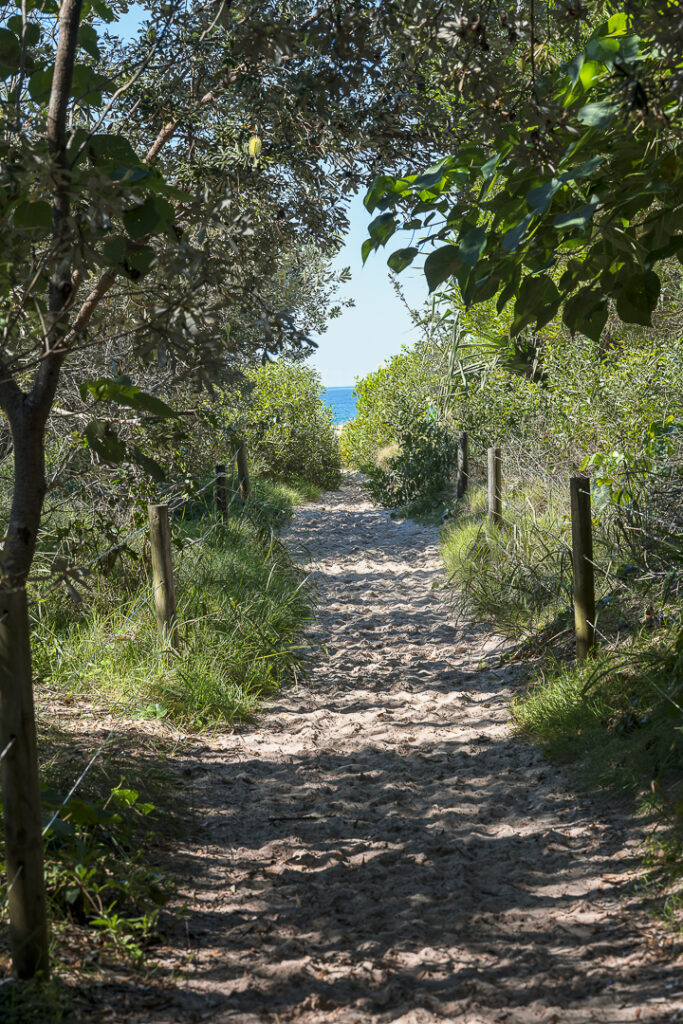
I have discovered that travel slowly alters my perspective. Sometimes I don’t even realise it until years later.
The moments that stay with me rarely involve famous landmarks.
They come from side streets, quiet cafes, conversations with locals, and afternoons with nowhere urgent to be. These shape my experience and are what I unconsciously carry home.
The more I have visited a particular type of place, the more influence it has had. The frequency of my visits to quiet places has slowly made me a quieter, more reflective person.
It has been years later that I have realised how those experiences have quietly reshaped me.
The place has become part of who I am.
Perhaps That Is Why We Keep Returning to Our Photographs
I have noticed that people think they revisit their old photos to remember where they have been and the good times they had.
I’ve watched friends leaf through old travel photographs and suddenly stop at a particular image. Their face lights up, and then they ask: “Remember what we did there – it was so much fun.”
And I’ve done the same myself.
Now I have realised that I don’t revisit my photos to remember where I have been. Instead, I want to remember who I loved, what mattered to me at the time, what I believed in then and how I used to look at the world.
Photography has become an act of self-recognition rather than a simple recollection.
Closing Thoughts
When I look at my photo of Italy in five years’ time, the village will still be beautiful. But my attention will go to the invisible person standing behind the camera.
I will smile to myself, as I now realise I don’t really miss the place.
What I miss is not the village.
It is the person who stood there, looking down that street, carrying hopes and assumptions about the future that only now seem visible
Perhaps that is photography’s quiet gift.
Every now and then, it allows us to meet an earlier version of ourselves, and recognise both how much has changed and how much remains.
Originally published in Full Frame, The Art of Photography