
The landscape may stay much the same. The person looking at it never does.
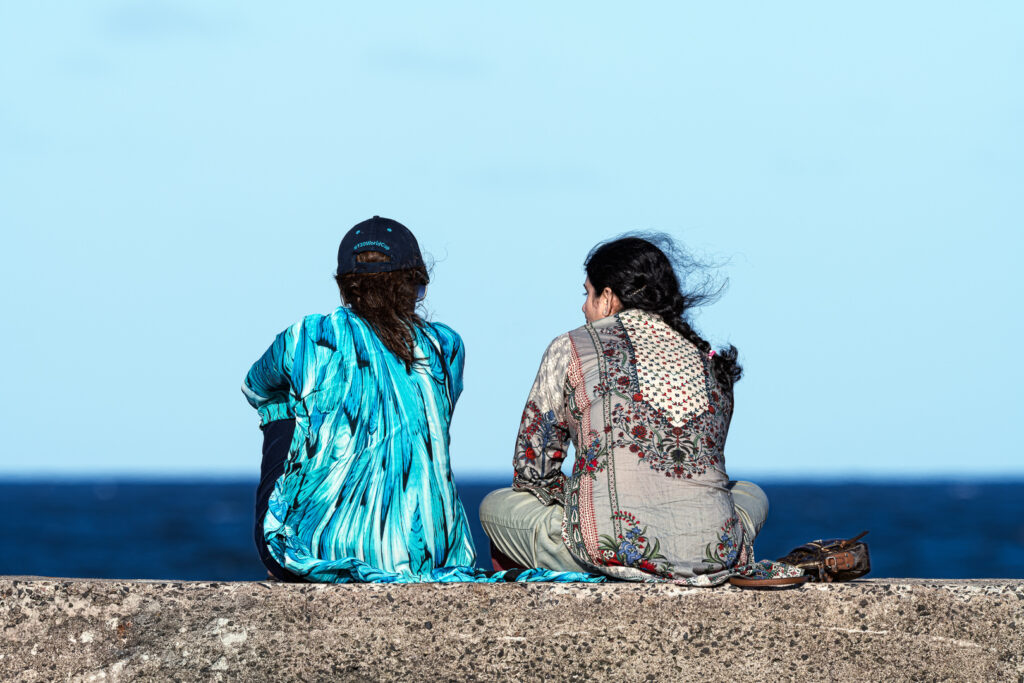
We turned off the main road and headed towards the car park. At this beach, finding a space is never guaranteed. Whenever we do find one, Marie and I smile at each other and say, “We were meant to be here today.”
I’ve lost count of how many times we have visited this place. We know where the path curves towards the rocks. We know where surfers paddle out and where families spread their towels.
We think we know what photographs are possible, but sometimes we have been surprised. One visit may have young people kicking a soccer ball around on the beach. Another may be after a storm and driftwood litters the beach. And occasionally a whale may swim close by.
Today, it feels like something is different. I look around carefully, and nothing seems to have changed. And then I realise that maybe it’s me that has changed.
I used to think returning meant there would be fewer surprises.
I’ve come to realise the opposite is true.
The places I know best continue to teach me the most.
We Think New Places Hold All the Answers
There were times when the thought of returning to the same place with my camera seemed like a day of boredom. I’ve already photographed everything there is to see here.
And so, the search for new locations would continue. A different beach. A different mountain. Another country town. A road trip to new and more exciting destinations.
The assumption was that inspiration lived somewhere else – a space we hadn’t been to yet. Surely my next best image was waiting just around the next bend.
And then there were the letdowns. We didn’t find anything better. The photos seemed more of the same even though the location was different.
But I couldn’t see at the time what was really going on.
Now I know there were a couple of factors at play. The first was that I was still seeing with familiar eyes. I hadn’t yet developed the curiosity to explore deeper and to look closer. To become part of the location I was in.
Looking back, I think it was simply part of becoming a better photographer. I have found that experience is a wonderful teacher where some of the best lessons are learned.
The other factor was a mistaken belief that familiar places have already given me everything they can.
However, often they haven’t.
Familiar Places Become Mirrors
The place isn’t changing much, but each visit reveals something different because I have arrived differently.
The first time I photographed Snapper Rocks, I was excited simply to be there. My images were full of movement. Children running and laughing as they threw a ball around. Surfers catching waves and showing off their skills. Families enjoying the sun and the sea.
On another visit, we had just returned from Adelaide after the funeral for my younger sister. I wanted to feel the comfort of being in a familiar place and to let the sea breeze and waves help me start to process the grief I felt.
It was a more meditative visit where I took things slowly and with a stronger sense of observing. I noticed more details in the rocks. The patterns in the sand. The power in the way the waves came in and then went back out again. My photographs were a lot different to those from my first visit.
Another thing I noticed is I have learned to let go of my expectations about a location. I no longer have set ideas about what I am going to make when I get there. Instead, I arrive and observe. Reacquainting myself with the location and letting curiosity surface before I start to lift my camera and press the shutter button.
Some visits will have a high tide, and others will be on a low tide. Same location but a little different view. And some days I will be full of energy, and on others it may be our last stop after a long day out. Each circumstance has an impact on how I approach my photography.
On each visit, the landscape isn’t different, but my attention is.
I now appreciate that places don’t simply preserve memories; they measure my own change.
Seeing Beyond the Obvious
My first visit to a location usually produces obvious photographs. I go to the famous lookout and capture the same view as everyone else. The expanse of the sandy beach around to the nearby cliffs.
It’s when I return to a location that I look more closely. I notice the old fence that’s starting to fall over. The old weathered tree that continues to survive against the odds. The reflections on the water and how vivid the colours are.
I take the time to observe the way light reaches one corner for only three minutes, and then it is back in shadows. How the clouds shade parts of the scene and then the sun lights that area back up again. I learned to anticipate the best time to make the photograph.
For example, when I first visited Snapper Rocks, I made images of the waves and the action. Years later, I found myself fascinated by the colour of algae clinging to a single rock.
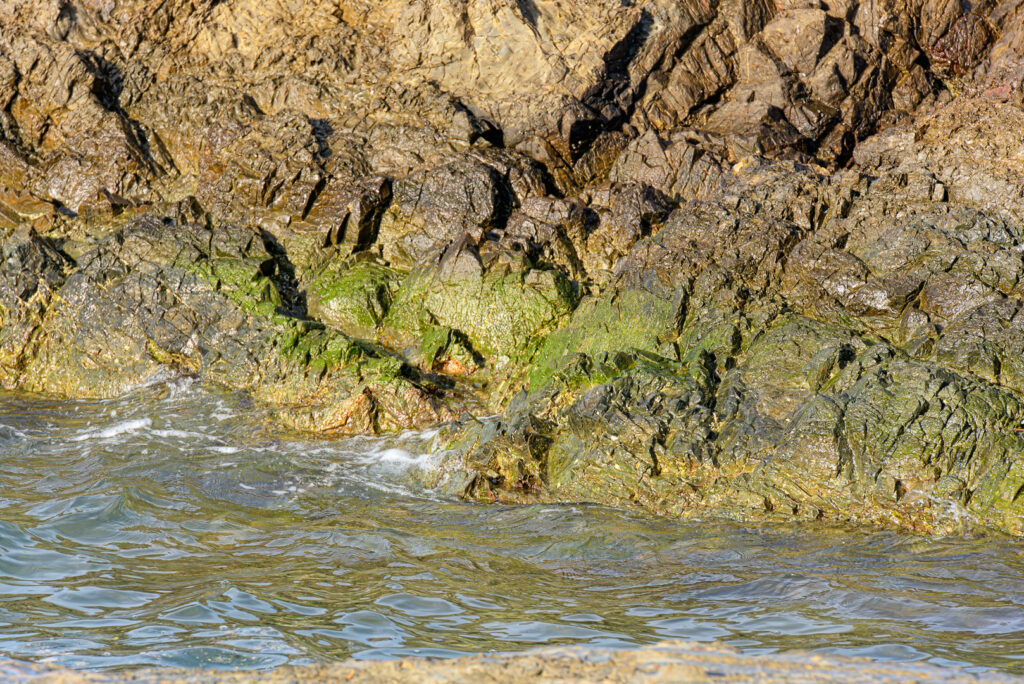
I have found that familiarity allows curiosity to replace excitement. And that’s where my more personal photographs begin.
Returning Slows Us Down
When I visit somewhere new, I photograph quickly, and I don’t want to miss anything out. Somewhere in the back of my mind is the thought that I may never stand here again. And in those moments, there is no time to become part of the place.
I may return here again, but no one can foretell the future. I’m not sure that assumptions of never returning serve me well, as I don’t get to really enjoy the place. I am creating rather than experiencing.
The benefit of returning to a location is that it slows me down. I take my time and sit and linger. I begin to get a feel for the area. I start to notice the little things that I never noticed on the first visit.
Sometimes I don’t even lift the camera.
I simply sit.
And that’s enough.
I have found that returning teaches me patience. And through patience it reveals photographs to me that rushing never could.
Perhaps We Keep Returning for Ourselves
When I think about Snapper Rocks, I think I go back there often because I love the place. I recall all the magic photographs I took and how varied each visit can be. I remember how time can slow down here, and I can get lost in the moments with my camera in hand.
Now I am starting to see that maybe it’s something deeper than that. Maybe I return because the place reminds me of who I once was.
Or because it quietly shows me what I am becoming.
A familiar landscape becomes a reference point.
It’s like an old friend who notices changes I don’t.
Closing Reflection
I still enjoy discovering new places.
But increasingly I find myself returning to the old ones.
It’s not because I expect them to be different.
It’s because I know I will be.
The places I return to haven’t stopped teaching me.
They’ve simply been patient enough to wait until I was ready to notice the next lesson.
Originally published in Full Frame, The Art of Photography
Interested in a print of any of these photos? Get in touch.